
How Photographers Find Their Look

One of the most common questions photographers ask — especially in the early and middle stages of their careers — is: “How do I find my style?”
It’s often assumed that style is something you decide on. That you pick a look, a preset, or a way of shooting and stick to it. In reality, style rarely works that way.
More often, it’s something you arrive at.
Style Comes From Experimentation First
In my personal experience, style doesn’t appear without experimentation. It’s built through trying a lot — different lighting approaches, different edits, different lenses, different ways of working with people.
Early on, that experimentation is necessary. It’s how you learn what resonates with you and what doesn’t. Over time, patterns start to form. You begin leaning naturally toward certain choices and away from others. Not because you’ve forced a decision, but because you’ve learned what feels right.
This doesn’t mean your style will never change. It just becomes more decisive.
When Consistency Starts to Matter
After years of experimenting, something shifts. You stop chasing variety for its own sake and start refining what already works.
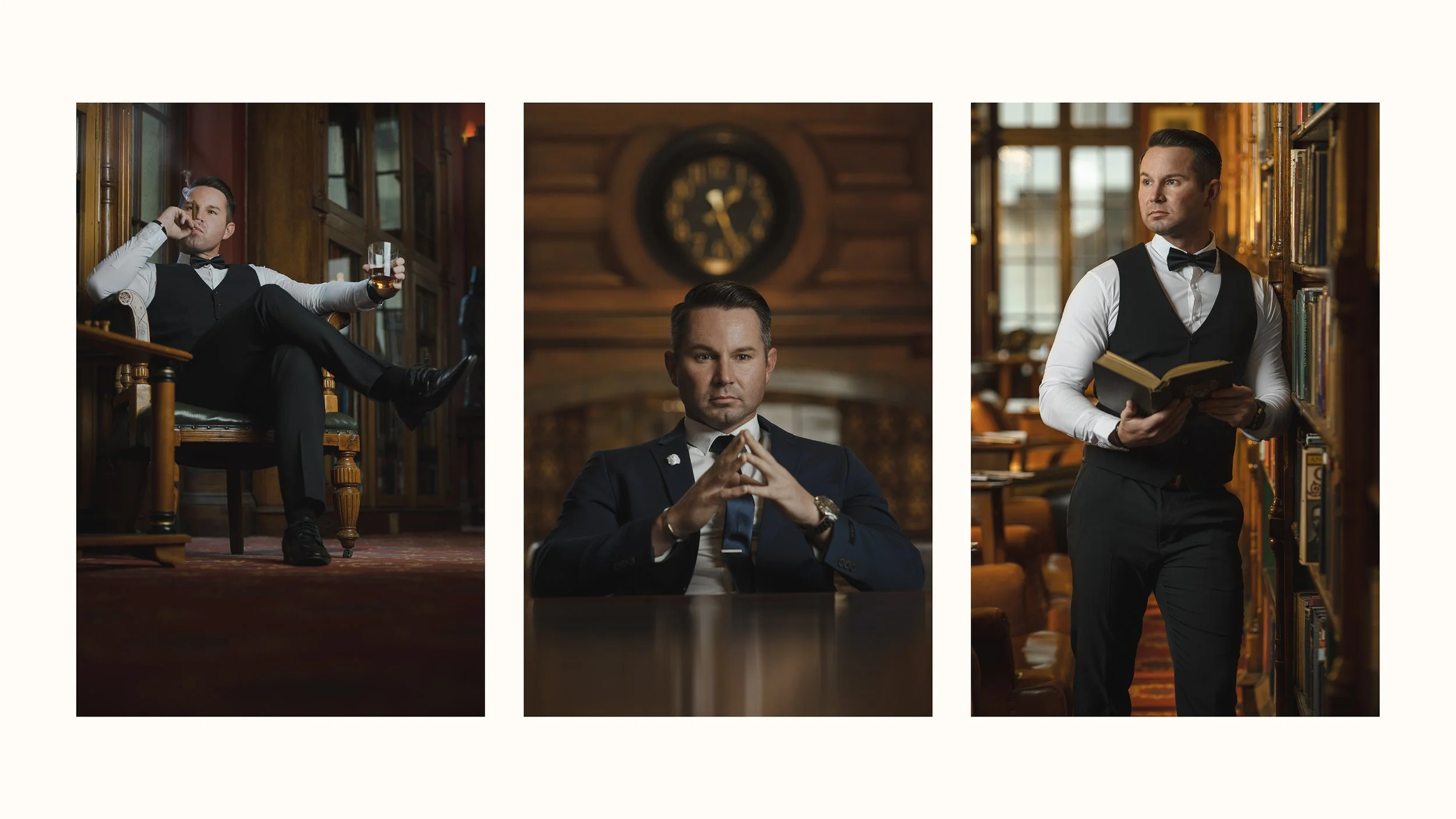
Consistency begins to show up in small but important ways. Lighting choices become familiar. Editing decisions feel instinctive. Lens use becomes intentional rather than reactive. Each of these elements plays a role in defining how your work looks and feels.
When those choices repeat across projects, a visual language starts to form. That’s when people begin to recognise your work without needing to see your name attached to it.
Consistency Isn’t About Doing Less
There’s a common fear that consistency limits creativity. That by narrowing your approach, you somehow restrict growth.
In practice, the opposite often happens.
When the fundamentals are familiar, you spend less energy deciding how to shoot and more energy focusing on what you’re trying to say. Nuance replaces noise. Subtlety becomes more important than novelty.
Consistency doesn’t remove creativity — it gives it direction.
Why Lighting, Editing, and Lens Choice Matter
Style isn’t defined by one element alone. It’s the combination that matters.
Lighting shapes mood.
Editing defines tone and restraint.
Lens choice controls perspective and how people feel in front of the camera.
When these elements are treated intentionally and repeatedly, the work starts to feel cohesive. Even when subjects, locations, or clients change, the underlying approach remains recognisable.
That cohesion is what people respond to when they say they love a photographer’s style — even if they can’t articulate exactly why.
Consistency Builds Trust With Clients
Consistency doesn’t just benefit photographers. It matters deeply to clients.
When someone looks at your previous work, they’re deciding whether they can trust you with theirs. A consistent body of work signals reliability. It tells them that what they’re seeing isn’t accidental or situational — it’s repeatable.
For clients, consistency doesn’t mean every image looks the same. It means the quality, tone, and intention feel aligned. It gives them confidence that the work they receive will be on par with — or better than — what they’ve already seen.
Style Is the Result, Not the Starting Point
Style isn’t something you arrive with. It’s something that forms after years of doing, refining, and letting go.
Experiment first.
Pay attention to what you return to.
Refine what feels natural.
Over time, consistency emerges — not as a limitation, but as clarity.
Consistency isn’t about standing still.
It’s about knowing where you’re standing.