
Have You Ever Felt Nervous Before Taking a Professional Photo? Then read this!

Have you ever felt nervous before taking a professional photo?
Unless you’re a professional model — and most people aren’t — that feeling is completely normal. Knowing how to pose, what to do with your hands, or how to look natural on camera isn’t something people instinctively know. It’s a learned skill, and for most clients, it’s not something they should feel expected to arrive with.
Yet many people still walk into a photoshoot carrying quiet pressure. They worry about angles, expressions, posture, and whether they’re “photogenic” enough. That tension often builds before the camera is even out.
The truth is simple: none of that is your job!
A good portrait session isn’t about performing. It’s about being guided through a process designed to feel calm, clear, and human — especially if it’s your first time.
You Don’t Need to Know How to Pose
That belief creates unnecessary pressure.
In reality, posing is communication. It’s something the photographer guides, adjusts, and refines in real time. Your role isn’t to get it right — it’s simply to respond. When instructions are clear and the pace is unhurried, movement starts to feel natural rather than forced.
Most people don’t struggle because they’re doing something wrong. They struggle because they’re trying too hard to do it right.
Nervous Doesn’t Mean You Won’t Look Good
Many clients say the same thing after a shoot:
“I was nervous when I started, but that wasn’t bad at all.”
That shift usually happens once the pressure lifts.
Looking good in a photograph isn’t about confidence as a personality trait. It’s about how comfortable you feel in the moment. When tension drops, breathing slows. Posture improves. Expressions soften. The camera stops feeling like something you need to manage.
Confidence often appears during the shoot, not before it.
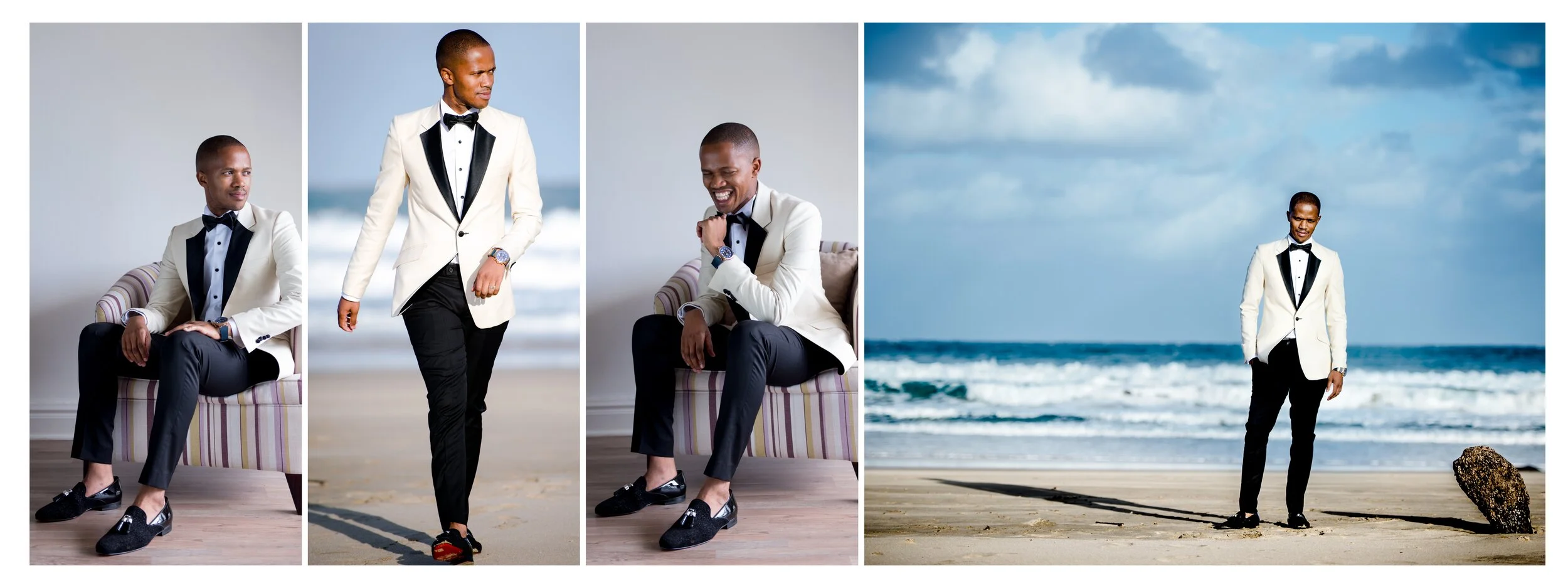
Where This Understanding Comes From
I learned this very quickly while photographing weddings.
A wedding day is filled with emotion, expectation, and a strong internal image of how everything should unfold. At the same time, you’re expected to create calm, intimate portraits — individually, as a couple, and in groups — often while time feels like it’s slipping away.
What I learned early on is that when people feel overwhelmed, they don’t need more instruction. They need someone to take control calmly.
As the photographer, that often meant removing whatever was adding stress. Too many people in the room. Conversations creating tension. Someone not ready yet. A moment that needed slowing down instead of speeding up. If something was disrupting the energy, I removed it quietly and respectfully.
Once pressure lifts, people settle. And when people settle, the images come together naturally.
That same approach carries directly into portrait photography.
What Actually Makes a Portrait Work
Beyond lighting, editing, and camera settings, portrait photography is largely about how comfortable someone feels around the person behind the camera.
Sometimes that means using a longer lens so the camera doesn’t feel intrusive. Sometimes it means showing the first few images so you can see that things are already working. Sometimes it’s as simple as positive reinforcement — letting someone know when something looks beautiful or strong.
Clear communication matters too. If something isn’t working, it’s never framed as the subject doing something wrong. If a pose feels off, I’ll adjust my instruction or slow things down. Often it’s just a matter of phrasing or pace.
A calm process creates calm images.
Presence Over Performance
The strongest portraits aren’t performed. They’re present.
That presence appears when there’s space to pause, breathe, and respond naturally. When guidance feels supportive rather than corrective. When perfection isn’t the goal.
This applies whether you’re a professional in front of the camera or someone doing this for the first time. Everyone responds better when they feel at ease.
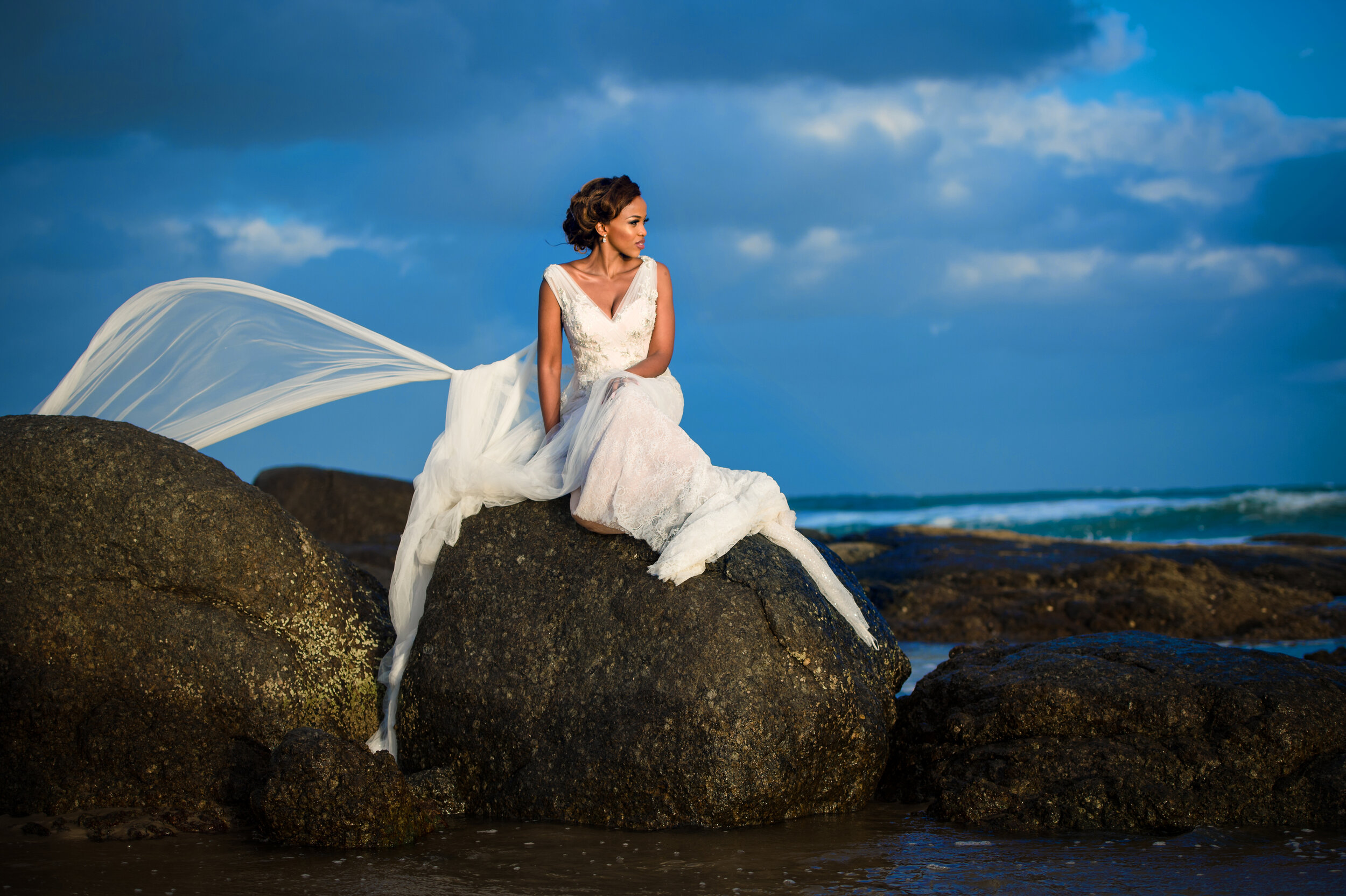
Portrait Photography as an Experience
Whether a session takes place in a studio or on the beautiful beaches of Cape Town, the experience itself shapes the final image. Light changes. Environments shift. But when the process feels steady and intentional, those variables don’t become stressors.
When pressure is removed, clarity appears. And when clarity appears, people often recognise themselves in the photographs more easily.
A Final Thought
You don’t need to know how to pose.
You don’t need to arrive confident.
You don’t need to be “photogenic.”
A good portrait session isn’t about asking more from you.
It’s about creating the conditions where you can relax and be yourself.
That’s how strong portraits are made.