
Why Timeless Photography Is Designed, Not Chased
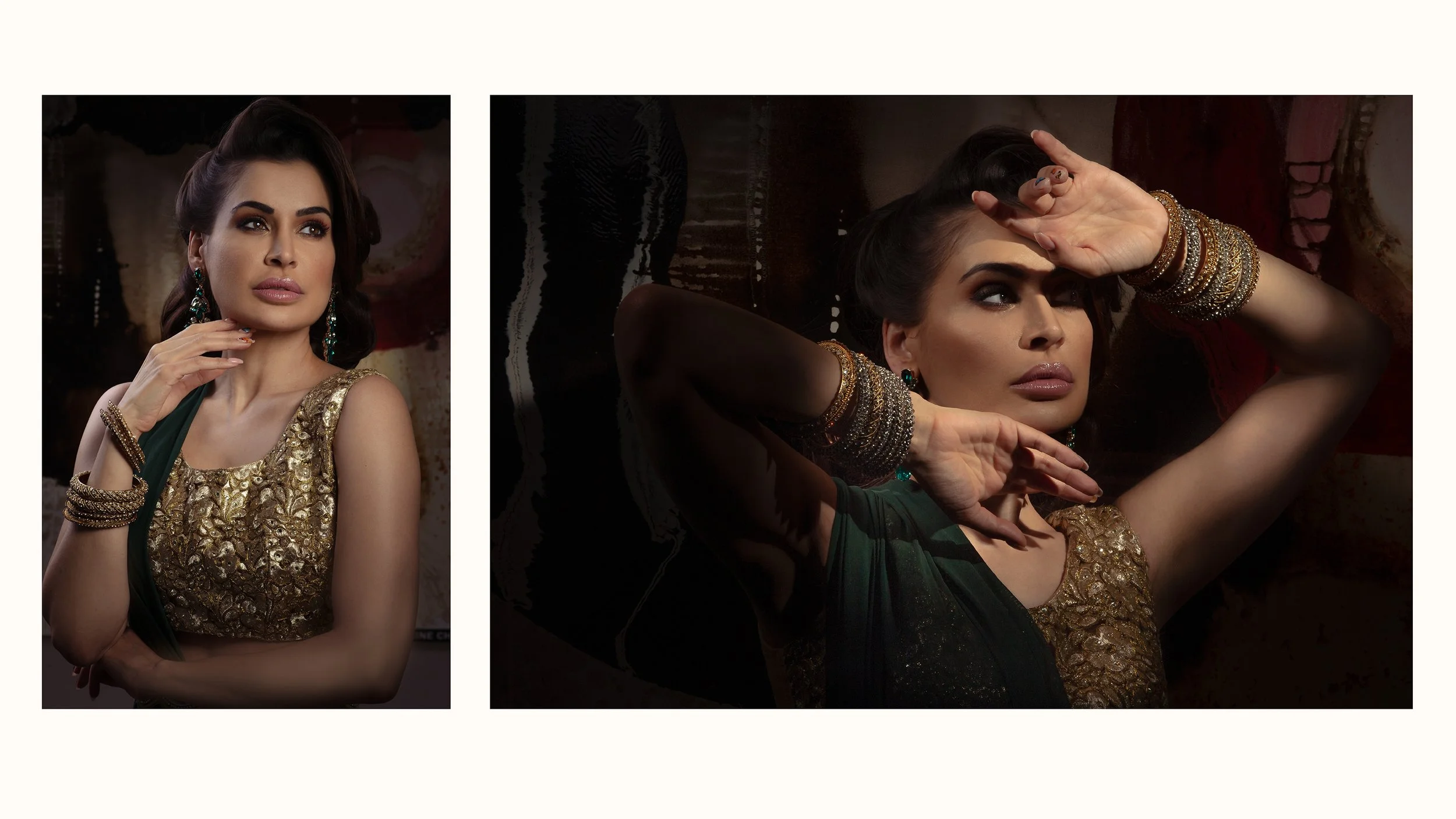
Trends move fast in photography.
Timeless work moves slowly.
It’s something I’ve come to understand more clearly over time — not as a rule, but as a pattern. The images that still feel relevant years later are rarely the ones created in a rush to match what was popular at the time. They’re usually quieter. More restrained. More intentional.
And they’re almost always designed that way.
The Temptation to Follow What’s New
Photography, like any creative industry, is constantly evolving. New styles emerge, editing looks circulate, and visual trends move quickly — especially in a world shaped by social media. It’s easy to feel pressure to keep up, to adapt your work so it looks current, relevant, or instantly recognisable as “of the moment.”
I’ve done that before.
Looking back at certain projects where the concept, theme, or visual language leaned heavily into a trend, the results are clear with time. What once felt exciting now feels dated. Not because the work was poorly executed, but because it was tied too closely to an era that has passed.
That experience taught me something important: trends age faster than intention.
The Difference Between Creative Freedom and Creative Direction
Creativity doesn’t disappear when you introduce boundaries. In fact, it often becomes clearer.
Timeless photography doesn’t come from doing less — it comes from doing things with purpose. Having intention behind choices like lighting, composition, colour, and pacing creates work that feels grounded rather than reactive.
This doesn’t mean trends are always wrong. Sometimes they serve a practical purpose. Sometimes they make sense for workflow, budget, or specific client needs. But when trends start leading the creative direction instead of supporting it, the work often loses its longevity.
What lasts tends to be built on fundamentals first, with creativity layered on top — not the other way around.
Intent as the Anchor
Of all the elements that contribute to longevity, intent is the most consistent one I’ve seen.
When an image is created with a clear reason for why it looks the way it does — rather than because a certain look is popular — it holds up better over time. Intent allows a photograph to exist outside of trends. It gives the image context, restraint, and clarity.
This applies just as much to portrait photography as it does to fashion or editorial work and other forms of creativity. When the goal is to represent a person honestly and thoughtfully, rather than fitting them into a visual trend, the result feels more human and less time-bound.
A Quiet Influence of Place
Since moving to Cape Town, I’ve become more aware of how environment shapes creative work. Cape Town has developed into a strong creative hub within South Africa, with an emphasis on visual storytelling, fashion, and design. It’s a place where trends arrive quickly — but it’s also a place where timeless, well-crafted work is deeply valued.
That contrast has reinforced something I already suspected: work that’s intentional tends to stand out more than work that’s simply current.
In a visually saturated space, restraint often carries more weight than spectacle.
Longevity Isn’t an Accident
The images that last aren’t usually the loudest or the most processed. They’re the ones created with care, clarity, and purpose. They’re the result of decisions made slowly, even when the industry moves fast.
Timeless photography doesn’t happen by chance.
It’s not something you stumble into.
It’s designed — through intent, consistency, and a willingness to let trends pass without chasing them.
Final Thought
There’s nothing wrong with being aware of trends.
The mistake is letting them decide for you.
When intent leads and trends follow, the work has a much better chance of lasting.