
Why Great Portraits Come From Comfort, Not Confidence

One of the most common misconceptions about portrait photography is that great images come from confident people. That belief alone stops many people from ever booking a photoshoot. They assume they need to arrive knowing how to pose, how to stand, how to look relaxed in front of a camera.
In reality, confidence is rarely the starting point. Comfort is.
Most of the strongest portraits you see were not made because someone felt confident walking onto set. They were made because the process allowed that confidence to surface naturally, without pressure or performance.
The Difference Between Performing and Being Present
When someone feels watched, rushed, or unsure of what’s expected, the body responds instinctively. Shoulders tighten. Breathing changes. Expressions become controlled rather than natural. Even people who appear confident in everyday life can feel this shift the moment a camera is pointed at them.
A portrait session becomes successful when the focus moves away from performance and toward presence. That shift doesn’t happen through instruction alone. It happens through environment, pacing, and trust.
When the technical side of photography is handled quietly and with intention, people stop thinking about how they look and start responding naturally to what’s happening around them. That’s when posture softens, expressions ease, and the image begins to feel honest rather than constructed.
Comfort Changes the Way a Portrait Looks
Comfort shows up in small but important ways. The way someone holds their body. The way their eyes engage with the camera. The absence of tension in the face. These details are subtle, but they’re often what separates a portrait that feels stiff from one that feels alive.
This is why experienced portrait photographers place so much emphasis on process. Not because it sounds good, but because it works. The more comfortable someone feels during a shoot, the less they try to control the outcome. And when control fades, authenticity takes its place.
The role of the photographer is not to demand confidence, but to create the conditions where it can appear on its own.
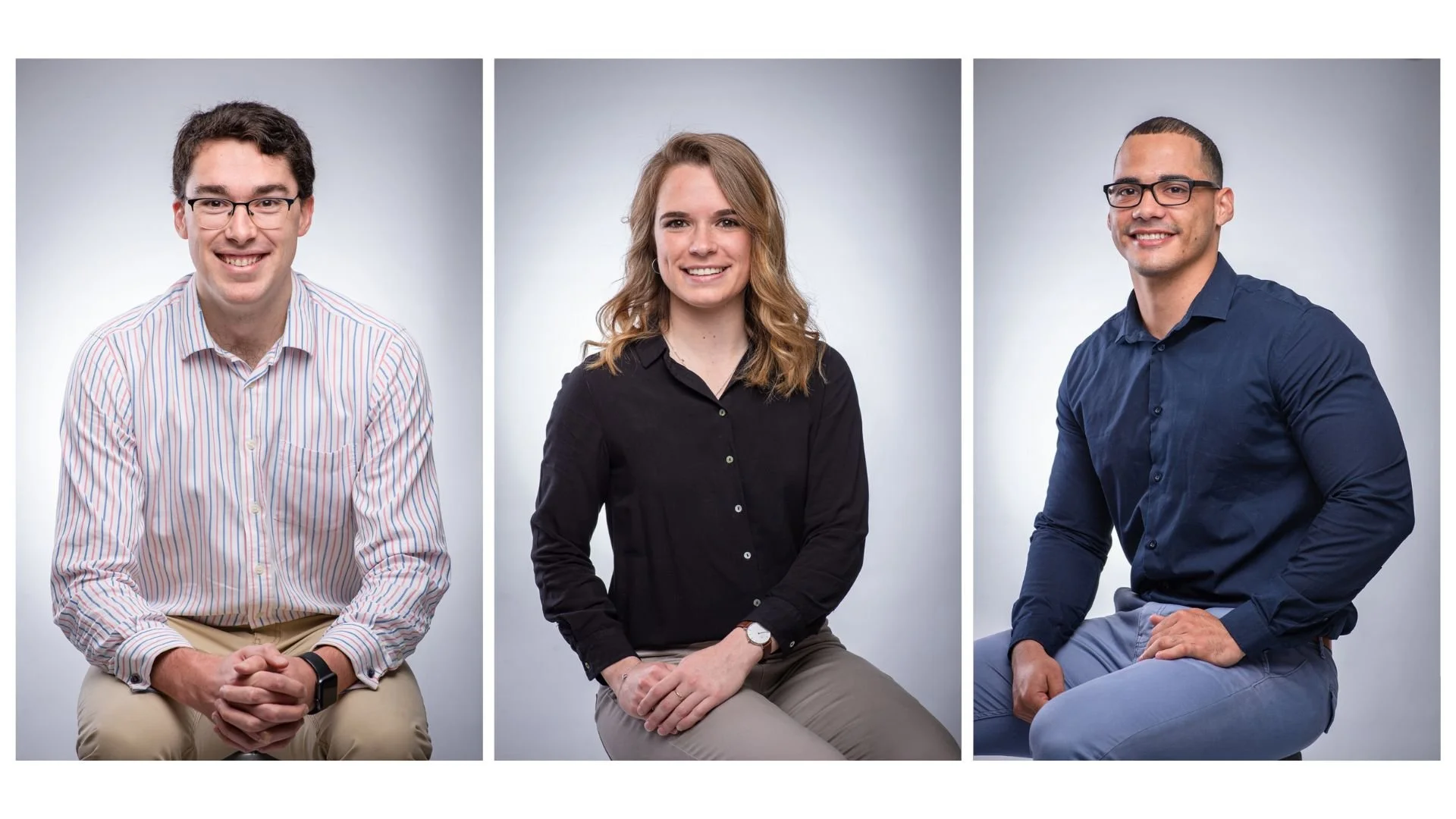
Why Confidence Is Often the Result, Not the Requirement
Many people leave a portrait session surprised by how easy it felt. They expected discomfort, self-consciousness, or awkwardness. Instead, they experienced calm, clarity, and a sense of being guided rather than judged.
That experience often changes how they see the final images. The portraits don’t feel like a version of themselves they were trying to be. They feel like a version of themselves that was allowed to exist.
Confidence, in this context, is not something you bring with you. It’s something that emerges when the environment supports it.
Portrait Photography as an Experience
Good portrait photography is as much about emotional awareness as it is about visual skill. The way a session unfolds matters. The space that’s given. The moments of pause. The ability to read when to step in and when to step back.
When the experience feels considered and unhurried, people respond differently. They trust the process. They stop anticipating the camera. And in that space, portraits begin to reflect something real.
This is especially important in location-based shoots, where surroundings, light, and movement all play a role. When those elements are handled with intention, the subject doesn’t have to manage them. They can simply be present.

A Final Thought
The strongest portraits are rarely about confidence alone. They’re about feeling safe enough to let your guard down.
Good photography doesn’t force confidence into a frame.
It creates space for it to arrive naturally.
When comfort leads, everything else follows.